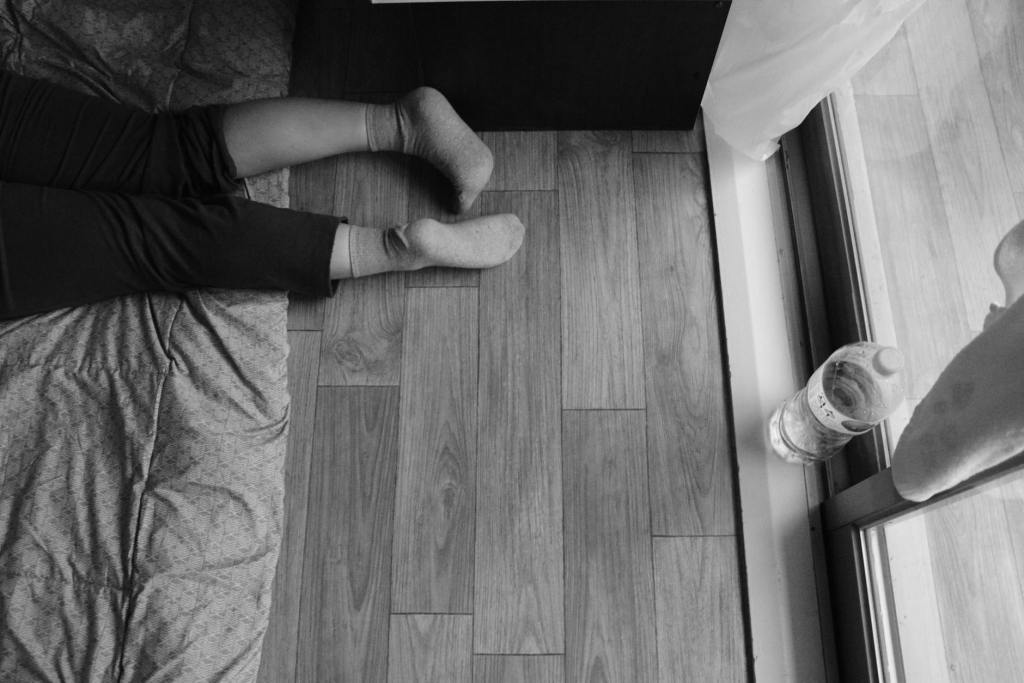
If you are visiting Korea, one simple question can cause real confusion: should you keep your shoes on in a hotel? This matters because Korea has a strong shoes-off indoor culture at home, but international travelers often stay in spaces that do not fully follow the same rule. The result is a small but important cultural mismatch.
The short answer is this: in most standard hotels in Korea, you can usually keep your shoes on unless the room setup or hotel guidance suggests otherwise. But in Korean homes, taking off your shoes at the entrance is the norm, not the exception. Understanding that difference makes daily life in Korea much easier to navigate.
Why Koreans take off shoes at home
In Korea, the home is usually treated as a clean indoor space separated from the outside. That is why people typically remove shoes at the entrance and step inside in socks, bare feet, or indoor slippers. For international readers, this is not just a matter of preference. It is a deeply ordinary part of domestic life.
The custom is tied to comfort and cleanliness. Even in informal writing and cultural commentary, the same explanation comes up repeatedly: people do not want outdoor dirt tracked into the living space, and being without outside shoes feels more restful indoors.
In Korea, taking off your shoes is not a special ritual. It is the default way of entering a home.
What about hotels in Korea?
This is where visitors should be practical rather than overly literal. A regular hotel room in Korea is usually treated more like an international lodging space than like a private Korean home. That means guests generally do not need to remove shoes automatically the moment they enter, unless there is a clear signal to do so.
Still, context matters. Some hotel rooms may provide slippers, and some accommodations with a more residential or traditional setup may feel closer to Korean home practice. If the entrance area is clearly separated, if the flooring suggests a shoes-off space, or if slippers are placed for indoor use, it is wise to pay attention.
- Standard hotels: usually shoes-on unless instructed otherwise
- Korean homes: shoes off at the entrance
- Traditional or home-style stays: more likely to follow shoes-off expectations
- When in doubt: check the room layout or ask staff politely
How slippers fit into Korean culture
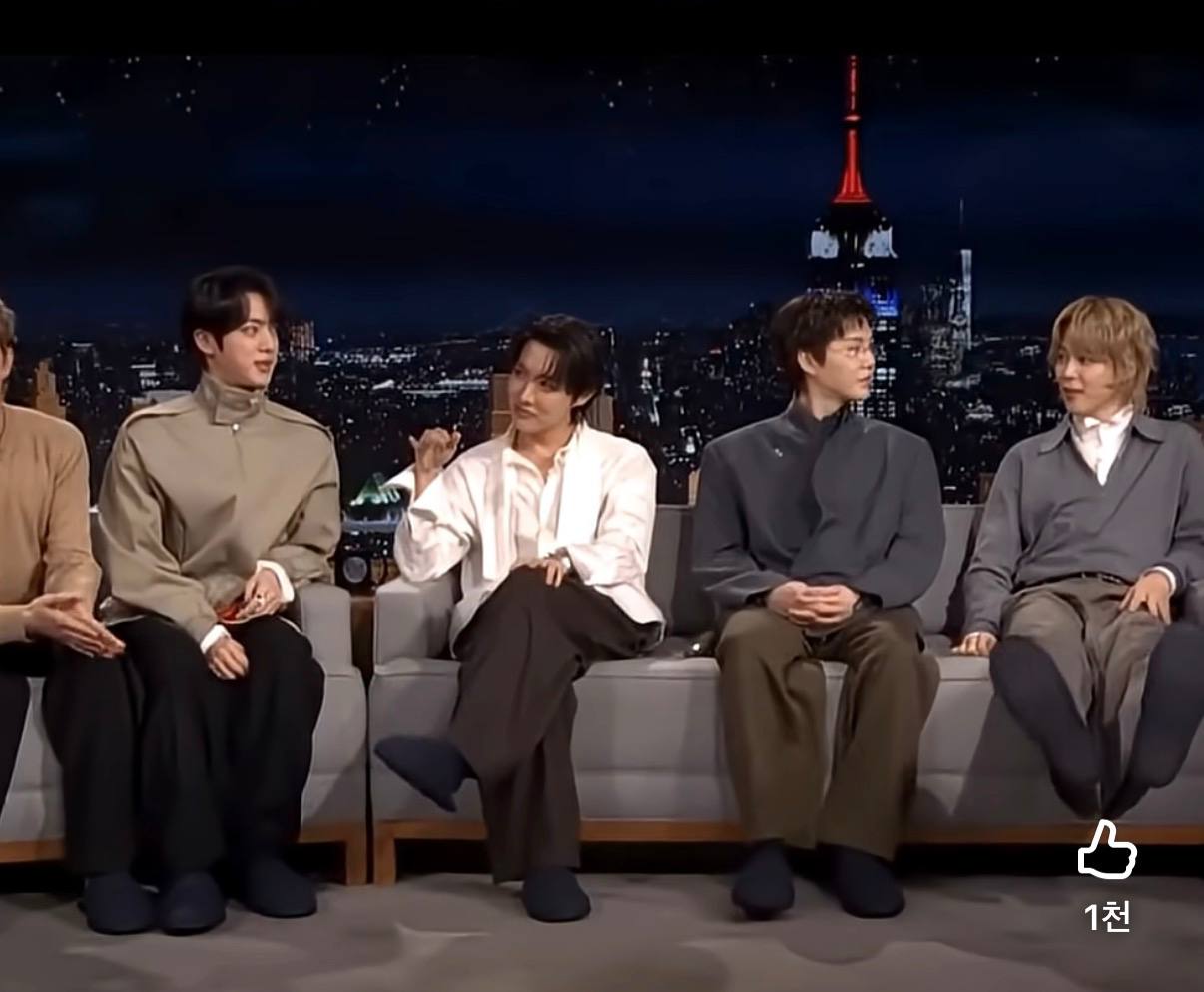
Slippers matter in Korea, but not in exactly the same way everywhere. In homes, some people wear indoor slippers and some do not. In guest situations, offering slippers or simply inviting someone to remove their shoes can both function as polite hospitality. Cultural commentary in the research summary also reflects this point: sometimes the request to remove shoes is softened by handing over slippers or letting guests stay in socks.
For international visitors, the useful distinction is between outdoor shoes and indoor footwear. Slippers are acceptable because they belong to the indoor environment. Outdoor sneakers, boots, or dress shoes generally do not.
What visitors should actually do
The safest approach is to read the space. In a hotel corridor, lobby, restaurant, or standard guest room, shoes are usually fine. In a private home, remove them without waiting to be told. In a pension, guesthouse, hanok stay, or floor-oriented room, expect Korean-style indoor norms to matter more.
If someone offers slippers, that is usually a clear signal that the space should be treated as indoors in the Korean sense. If no slippers are offered, socks are often perfectly acceptable. The important point is respect for the boundary between outside and inside.
Conclusion
Yes, you can usually wear shoes in a standard Korean hotel, but not in a Korean home. That is the easiest rule to remember. Korea’s shoes-off culture is strongest in domestic spaces, while hotels often follow more global hospitality norms. Slippers help bridge the two worlds: they preserve indoor cleanliness without making guests uncomfortable. For international visitors, once that distinction is clear, the whole issue becomes much easier.
Photo by Aibek Skakov on Pexels

 Trend Kr
Leave a comment