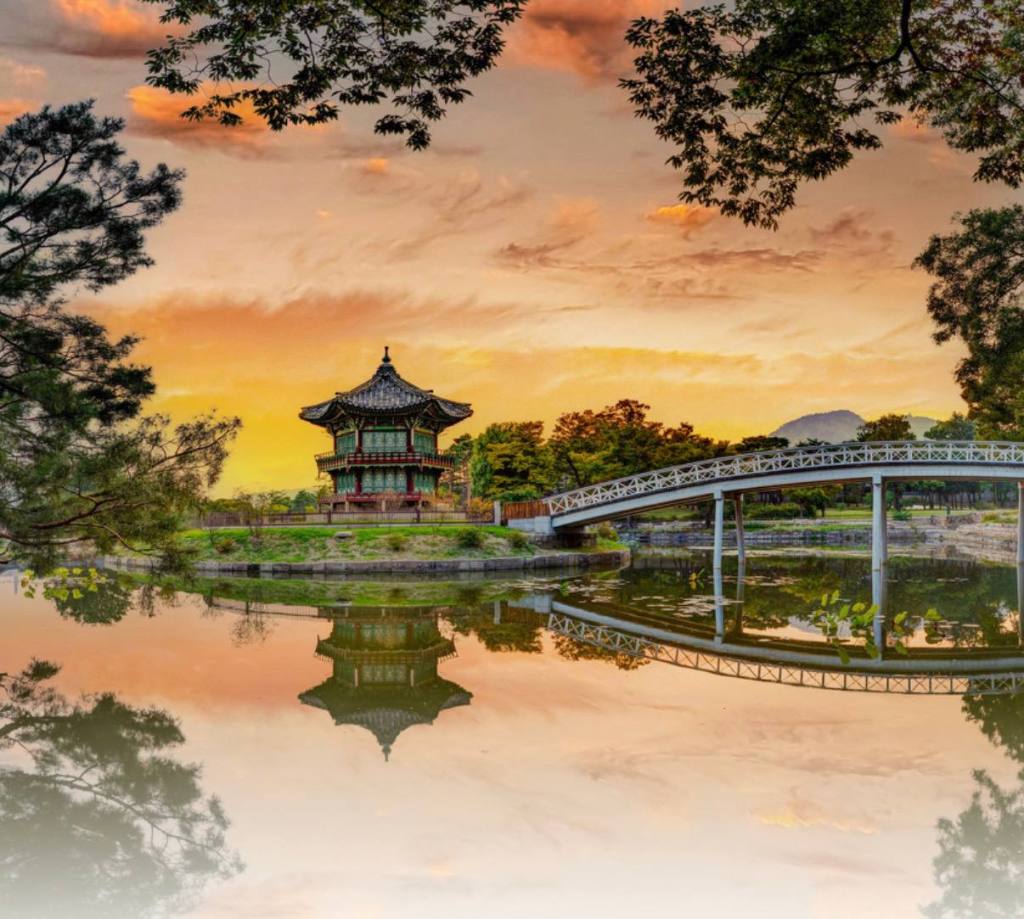

Gyeongbokgung Palace is one of the most important historic sites in Seoul, and for many international visitors it is the clearest place to begin understanding Korea’s royal past. It is visually impressive, centrally located, and closely tied to the identity of the Joseon dynasty. But it is also more than a palace visit. Around it, travelers can rent hanbok, visit major museums, and continue on foot into Samcheong-dong, one of the most pleasant nearby areas for cafés and restaurants.
This matters now because Gyeongbokgung works especially well as a full half-day or full-day stop. It combines architecture, history, photography, and neighborhood walking in a way that few major tourist sites do.
Why Gyeongbokgung matters
Gyeongbokgung was the main royal palace of the Joseon dynasty. Founded in 1395, it was the principal palace of the new dynasty and remains the most symbolically important of Seoul’s five grand palaces. For international readers, the key point is simple: if you want one palace that best represents royal Seoul, this is usually the one.
Gyeongbokgung is not just an old palace in Seoul. It is the palace most closely associated with the founding authority and ceremonial center of Joseon Korea.
A short history timeline
- 1395: Gyeongbokgung is founded as the main palace of the newly established Joseon dynasty.
- 1592: The palace is destroyed during the Imjin War, when Japanese invasions devastate large parts of Korea.
- 1867: Large-scale restoration is carried out, bringing the palace complex back into use after a long period of decline.
- 1990s: Modern restoration efforts accelerate as the Korean government expands long-term recovery and reconstruction work across the palace grounds.
- 2010: Restoration continues as part of the broader modern effort to recover key palace structures and improve the historical landscape for visitors.
This timeline matters because Gyeongbokgung is not a site that survived intact. What visitors see today is shaped by both destruction and reconstruction, which makes the palace a place of recovery as much as royal memory.
What visitors should see
The palace grounds are broad enough that even a casual visit can feel substantial. First-time visitors usually notice the main gate, the large open courtyards, and the formal spatial layout backed by the mountain landscape. The site’s scale is part of the experience. Gyeongbokgung was built to project order, hierarchy, and state authority, and that remains visible even to travelers without deep prior knowledge of Korean history.
- Main gate and entry sequence: the approach helps establish the ceremonial character of the palace
- Large courtyards and halls: these spaces show the formal structure of Joseon royal life
- Mountain backdrop: the palace setting is one reason it remains so visually striking
- Restored architecture: much of the visitor experience is shaped by long-term reconstruction work
Hanbok rental makes the visit more immersive
One reason Gyeongbokgung is especially popular with travelers is that hanbok rental is easy to find nearby. Hanbok is traditional Korean dress, and many visitors choose to wear it while walking through the palace grounds. This changes the experience from simple sightseeing into something more participatory and photographic.
For international readers, the important point is cultural rather than costume-based. Wearing hanbok at Gyeongbokgung feels natural because the palace and the clothing belong to the same broad historical imagination of royal-era Korea. That is why the combination is so common in visitor culture.
Nearby museums are worth combining with the palace
Another practical advantage of Gyeongbokgung is that it sits near major museums, making it easy to build a broader cultural itinerary. For many visitors, this is one of the smartest ways to see the area. The palace gives architectural and dynastic context, while nearby museums help explain material culture, court life, and Korean history more fully.
If you want a visit that feels deeper than a photo stop, pairing the palace with a museum nearby is one of the best choices you can make.
Walk to Samcheong-dong after your visit
After the palace, Samcheong-dong is a natural next step. The area is known for its quieter streets, café culture, and restaurant options, making it a very easy transition from formal sightseeing to a more relaxed part of the day. For travelers, this is one of the pleasures of the neighborhood: you can move from royal history to a casual meal without needing a complicated travel plan.
The research summary also supports the idea that the broader Gyeongbokgung area is strongly linked to food stops, and Samcheong-dong is the most obvious extension of that experience. In practical terms, it is where many visitors go next for coffee, Korean food, or a slower walk through one of central Seoul’s most attractive districts.
Conclusion
Gyeongbokgung is the most practical and rewarding palace introduction in Seoul because it combines history, architecture, restoration narrative, hanbok culture, nearby museums, and an easy connection to Samcheong-dong. If you want one destination that captures both royal Korea and present-day visitor culture, this is one of the best places to start.
Photo by Aibek Skakov on Pexels
 Trend Kr
Leave a comment