At first glance, South Korean men’s fashion can look strangely unified. Clean silhouettes. Muted colors. Sneakers that look chosen on purpose. Jackets that fit just right. It gives off the impression that everyone is shopping from the same playbook.
They aren’t.
Look closer and the market splits pretty clearly by age, price tier, and shopping channel. A man in his late 30s buying a structured coat from a premium domestic label is operating in a different fashion economy from a 24-year-old building outfits on Musinsa during a discount event. Both may look polished. The logic behind the polish is different.
One caution before going further: the research summary provided here is not actually relevant to Korean menswear, so this article sticks closely to the topic input and keeps the claims modest. Think of this as an analytical overview, not a market report loaded with verified sales data.
Korean menswear looks simple. The retail logic isn’t.
People outside Korea often reduce Korean men’s style to a vibe: tidy, minimal, modern. That description is not wrong, but it misses the machinery underneath. Korean menswear is not just about taste. It is about stage of life.
In broad terms, the market often sorts itself like this:
- Men in their 20s are more likely to shop for affordable, trend-aware outfits through online platforms.
- Men in their 30s and 40s are more likely to spend more on premium contemporary brands that signal maturity and polish.
- Basics buyers across age groups still rely on practical offline retail, especially for wardrobe staples.
That split matters because Korean fashion is often less about dramatic self-expression than about getting the social calibration right. Age-appropriate. Setting-appropriate. Budget-appropriate. It can sound conservative. Sometimes it is. But it also explains why the overall look often feels so controlled.
The premium lane: why “Soltasi” reads older
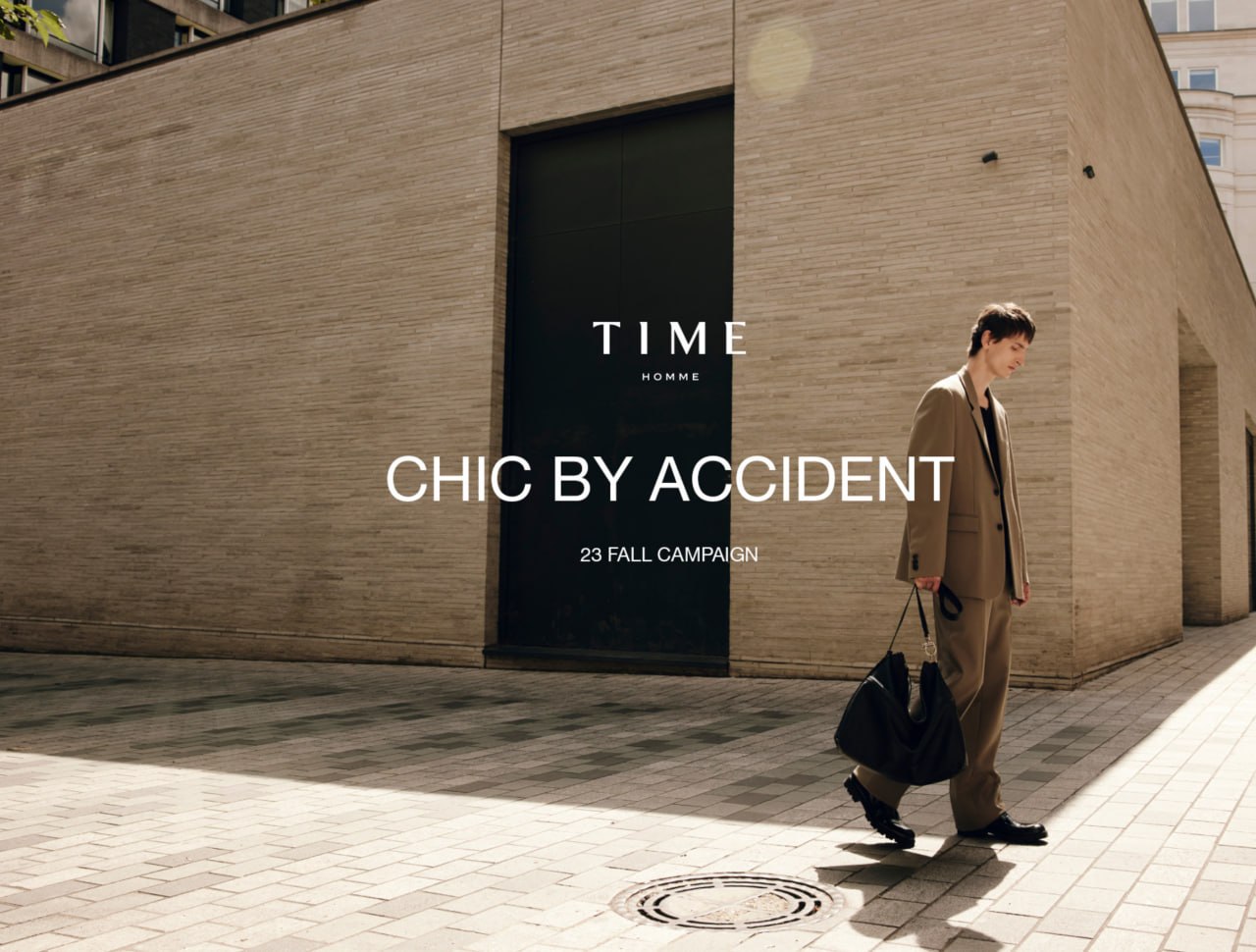
If you spend time around Korean menswear conversations, you may hear the nickname Soltasi. It refers to three premium contemporary labels: Solid Homme, Time Homme, and System Homme.
These brands are often associated with men in their 30s and 40s, and the reason is not hard to see. They sit in a relatively expensive tier and project a version of masculine style that feels settled: clean tailoring, restrained color palettes, elevated fabrics, and enough structure to look intentional without seeming loud.
That is a very Korean kind of luxury. Not peacocking. Controlled confidence.
In Korea, expensive menswear often aims less for shock and more for social fluency: looking sharp in every room without becoming the room’s main event.
For older shoppers, that makes practical sense. Clothes in this tier can move across work, dinners, dates, family obligations, and semi-formal social settings with very little friction. They are expensive, yes, but they are also doing a lot of image management in one go.
And that is the real appeal. Soltasi is not only about fashion taste. It is about looking established.
In your 20s, Musinsa often matters more than any single brand
Now jump to the younger end of the market.
For many Korean men in their 20s, Musinsa is not just a shopping app. It is the style infrastructure. It is where they browse, compare, follow trends, and buy clothes that look current without crossing into premium-brand pricing.
This is one of the key things outsiders miss about Korean street style. A lot of it looks expensive from a distance. It often isn’t. The strength is not always in the price tag. It is in the styling, the fit, and the ability to assemble a coherent outfit from relatively accessible pieces.
That makes Musinsa especially attractive to students and early-career workers. They want to look good. They do not necessarily want to tie that ambition to one expensive coat or designer label. They want options, discounts, speed, and enough variety to keep up with trend shifts.
And honestly, that approach makes sense. Your 20s are usually not the moment to build a wardrobe around premium menswear if your rent is real and your salary is not.

Uniqlo still wins because basics still run the world
Fashion coverage loves novelty. Real wardrobes run on repetition.
That is why Uniqlo remains so important in Korea, especially through its offline stores. It does the less glamorous part of dressing well: knitwear that behaves, simple outerwear, clean trousers, plain tees, layering pieces, everyday clothes that stop the whole system from collapsing.
Its offline strength matters too. Plenty of people still want to try things on in person, check sleeve length, compare colors, and walk out with something they can wear immediately. In Korea, where proportion and silhouette are taken seriously, physical retail still has an advantage for basics.
Not every purchase is about identity. Sometimes you just need a sweater that does not create problems. Uniqlo has built a lot of loyalty on exactly that kind of competence.
Why Zara gets a mixed reaction on fit
Zara is globally familiar, but in Korea it often carries a specific complaint: some shoppers feel the fit does not sit especially comfortably on Asian body proportions.
This is not a universal truth, and it should be treated as a shopper perception rather than an absolute rule. Still, the perception matters. Shoulder width, sleeve length, torso balance, trouser rise, and overall proportions can make a garment feel slightly off even when it looks good on the rack.
You would think trendiness would overcome that. Usually, it doesn’t.
In Korean menswear, fit is not a side detail. It is half the point. A simpler outfit with better proportions often beats a more fashionable one that sits awkwardly on the body. So once a brand develops a reputation for cuts that do not quite match local body expectations, shoppers remember.
What this reveals about Korean men’s style
The easy cliché is that Korean men are just more fashion-conscious. There is some truth in that. But the more interesting point is how that consciousness is organized.
South Korean menswear often sorts itself through a few practical questions:
- How old are you, and what are you supposed to look like at that age?
- Are you buying clothes to rotate frequently or to stabilize your image?
- Do you want style through a platform, a premium label, or a dependable basics store?
- Does the garment actually sit right on your body?
Once you see those filters, the market becomes much easier to read. Men in their 30s and 40s often gravitate toward premium labels like Solid Homme, Time Homme, and System Homme because those brands package adulthood neatly. Men in their 20s often rely on Musinsa because it offers style at a more survivable price. Uniqlo stays relevant because everyone eventually needs the boring pieces that make a wardrobe function. Zara gets side-eyed because fit problems are hard to forgive.
That tension is what makes Korean menswear interesting. It looks minimal on the surface, but underneath it is highly strategic. The next question is whether younger shoppers will keep following that strategy—or whether Korea’s style culture will loosen up as online shopping, global influences, and generational tastes keep colliding.
Image Credits: Photo by Tom Fisk on Pexels · Photo by Mica Asato on Pexels


Leave a Reply