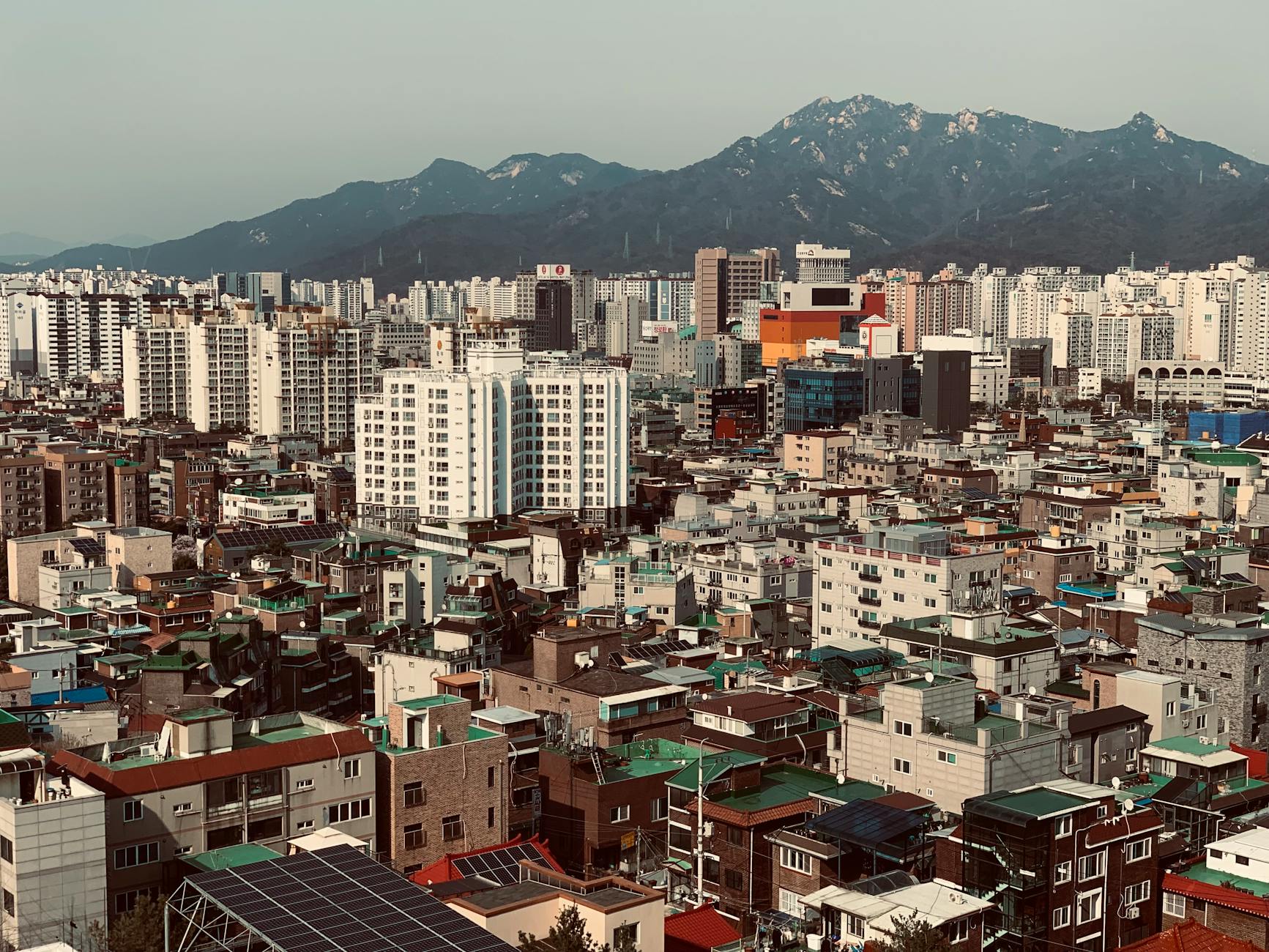
There was a time when climbing a mountain in Seoul meant one thing: exercise. Maybe some fresh air. Maybe a post-hike meal if you were organized. Mount Gwanak still does all that. But recently it has picked up a second identity—stranger, more revealing, and very 2020s Seoul.
It has become an energy hotspot.
Not in the electrical sense. In the social-media-wellness-luck-self-improvement sense. Young Koreans have been flocking to Mount Gwanak, or Gwanaksan, not only for the hike itself but for the idea that the mountain carries good energy, good luck, and the kind of reset modern urban life keeps promising but rarely delivers.
That may sound slightly absurd. It is also exactly why the story matters.
A mountain is going viral, and not just because it is pretty
Mount Gwanak sits in southern Seoul, spanning Gwanak District and nearby Gwacheon. On paper, it is a straightforward urban mountain. In practice, it has recently become something much more culturally charged.
Recent reporting describes it as a viral spring hiking destination where people have lined up for over an hour near the summit marker, hoping to absorb some of the mountain’s now-famous “good energy” along with the panoramic view. That detail is worth pausing on. People are not just hiking. They are queueing at the top of a mountain for symbolic contact with a place.
Mount Gwanak is no longer just a workout. It is a mood, a ritual, and for some people, a small appointment with fate.
You would expect a scenic hike to go viral because of cherry blossoms, skyline photos, or easy access. The reality is more interesting: the mountain’s appeal now includes a belief that it offers a kind of luck-charged atmosphere.
Why young Koreans are so open to the “energy” idea
If this sounds irrational, look more closely at the cultural moment. Young Koreans are living inside a strange mix of hyper-competition, burnout, aestheticized self-care, and digital overexposure. In that environment, the language of “energy” becomes surprisingly useful.
It is vague enough to travel easily. Spiritual enough to feel meaningful. Casual enough that you do not have to fully commit to a belief system in order to participate.
That is part of the genius of places like Mount Gwanak. You do not need to announce, “I deeply believe this mountain changes my fortune.” You can simply go, take the hike, post the view, laugh about the lucky vibe, and still absorb the emotional benefit of acting as if the trip meant something larger than cardio.
Modern urban life produces a lot of people who are skeptical and superstitious at the same time. Seoul is not exempt.
Hiking in Korea has changed its image
For years, hiking in Korea was strongly associated with older generations, serious gear, and weekend routines that felt more dutiful than fashionable. That image has shifted. Not entirely, but enough.
Now hiking is increasingly folded into youth culture as a form of productive leisure. It is healthy, social, photogenic, relatively affordable, and just demanding enough to feel virtuous. You can call it exercise, wellness, self-discipline, or a reset day. All of those labels work.
Mount Gwanak fits perfectly into that shift. It is close enough to urban life to feel accessible, but still gives the psychological reward of “escaping” the city without actually leaving Seoul behind. That makes it ideal for younger people who want a meaningful outing without committing to a full travel operation.
- It offers exercise without requiring elite fitness
- It creates content through views, summit photos, and social posts
- It supports self-improvement narratives like discipline, clarity, and reset
- It feels emotionally charged thanks to its growing good-luck reputation
That is a very efficient package. Korea loves an efficient package.

Self-improvement culture is doing a lot of the work here
It would be a mistake to treat Mount Gwanak’s popularity as only a hiking trend. It also belongs to South Korea’s larger self-improvement culture, where ordinary activities often get reframed as tools for becoming a better version of yourself.
A run is not just a run. It is discipline. Journaling is not just journaling. It is emotional optimization. A mountain hike is not just a mountain hike. It is cleansing, realignment, intention-setting, or recovery from urban psychic damage.
On paper, this can sound exhausting. In practice, it helps explain why a mountain can become more than scenery. Young people are not only looking for leisure. They are looking for experiences that feel useful. Mount Gwanak offers exactly that kind of usefulness, with the bonus of skyline views and a symbolic finish line at the top.
Wellness and soft spirituality fit Seoul surprisingly well
There is another layer here. The rise of wellness culture in Korea has created more room for softer, less formal ideas about mental balance, healing environments, and spaces with “good vibes.” Add social media to that, and you get a style of belief that is half-sincere, half-playful, but still powerful.
This is where feng-shui-like ideas about energy and space come in. Korea has its own traditions around landscape, flow, auspicious sites, and the emotional meaning of place. Not everyone engaging with Mount Gwanak is explicitly thinking in traditional geomantic terms, but the broader logic is familiar: some places feel better, luckier, or more charged than others.
You do not need strict doctrine for that idea to work. You just need enough cultural openness to let geography carry meaning.
And once a place gets tagged as lucky, watch what happens. The tag becomes the attraction.
The “good luck” label is now part of the mountain itself
Recent coverage has described Mount Gwanak directly as a good-luck spot, and that label now seems to be feeding its own momentum. People visit because they heard it has good energy. They post that they visited. Others go for the same reason. Soon the reputation becomes stronger than any single explanation behind it.
This is how urban myths become social habits.
The trend has become strong enough that the mountain’s reputation has spilled beyond cute online chatter into real-world consequences, including public attention after vandalism referencing its good-luck image. That is the point where you know a place has moved beyond trend and into symbol.
What Mount Gwanak’s popularity says about Seoul right now
The mountain’s popularity reveals a lot about contemporary Seoul. People want movement, but they also want meaning. They want health, but they also want narrative. They want a hike, a view, a better mood, maybe a little luck, and ideally something postable before dinner.
That combination can sound shallow if you say it too quickly. It is not shallow. It is adaptive.
Young Koreans are building rituals out of what is available to them: cafés, runs, supplements, journaling apps, short trips, and now mountains with lucky reputations. Mount Gwanak works because it pulls several of those desires into one place. It is physical effort wrapped in symbolic payoff.
And that may be why the mountain resonates so strongly now. Not because everyone literally believes in mountain energy, but because plenty of people are willing to act as if certain places can help them start again. In a city as intense as Seoul, that is not irrational at all. The more interesting question is what other ordinary places will get rebranded next—not as landmarks, but as emotional infrastructure.
Image Credits: Photo by piu aka on Pexels · Photo by Theodore Nguyen on Pexels


Leave a Reply