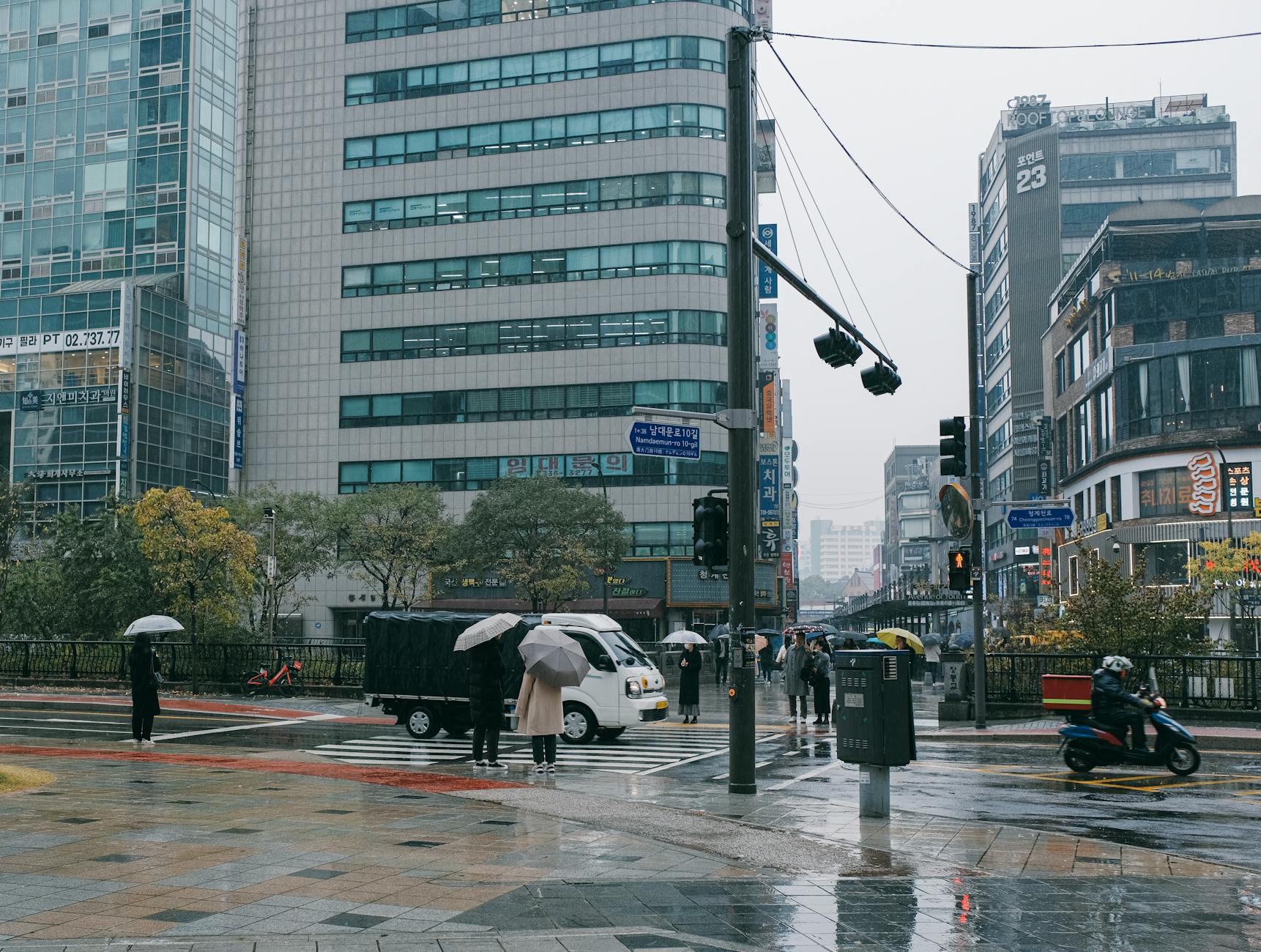
The first time many visitors use public transport in South Korea, they have the same reaction: wait, that’s it?
A subway ride in Seoul feels cheap. City buses feel cheap. Even intercity transport and high-speed rail can look surprisingly reasonable, especially if you are coming from parts of Europe where rail fares can become mildly insulting. This is one of those things Koreans barely notice anymore and foreigners notice immediately.
But low fares do not appear by magic. They come with a cost. In Korea, public transport is relatively affordable not simply because the system is efficient—though it often is—but because the state and local governments absorb a lot of the burden. In other words: riders do not pay the full price. Somebody else does.
Why Korean public transport feels cheap in the first place
South Korea has built a public transport culture where low-to-moderate fares are part of everyday urban life. In Seoul especially, people expect buses and subways to be functional, frequent, and affordable enough to use constantly without turning each trip into a budgeting decision.
That expectation matters. Once a city normalizes affordable transit, high fares start looking politically dangerous and socially unfair very quickly.
This is why Korea’s transport system often feels so different from car-dependent countries or from rail systems where passengers absorb much more of the real operating cost. The user experience is simple: tap in, ride, move on. The hidden structure is not so simple.
Korean public transport feels cheap because riders are not carrying the whole system on their own wallets.
In Seoul, buses and subways set the tone
If you want to understand public transport pricing in Korea, start with Seoul. The capital region shapes expectations for the rest of the country.
In practice, the everyday hierarchy is straightforward:
- City buses and subways are the baseline, designed for frequent everyday use
- Express and intercity buses cost more, but are still often seen as reasonable
- High-speed rail like KTX and SRT costs much more than local transit, but can still feel relatively affordable compared with other advanced countries
Seoul’s local transport system is especially important because it turns affordability into habit. If millions of people use transit every day for work, school, and ordinary movement, fare increases become socially sensitive very fast.
And once that becomes the political environment, keeping fares low stops being just a transport issue. It becomes a governance issue.
Regional cities are not identical, but the logic is similar
Seoul dominates the conversation, but the broader pattern extends beyond the capital. Major regional cities in Korea often operate within a similar logic: public transport should remain broadly usable and relatively affordable for ordinary people.
That does not mean every city has the same fare structure, service quality, or financial stability. They do not. But the expectation of accessible fares is not a Seoul-only idea. Across much of the country, public transport is treated less as a premium service and more as part of the social operating system.
That is one reason Korean fare comparisons can surprise outsiders. Even where local systems are less dense than Seoul’s, price levels often still feel restrained rather than aggressively commercial.
What prices actually feel like in practice
If you are trying to picture actual spending rather than policy theory, the rough experience in Korea looks something like this:
- Seoul metro and city buses: usually in the 1,000-won range for ordinary base rides, with transfer discounts helping frequent users.
- Taxis: for many normal city rides, the total often lands in the 10,000 to 20,000 won range, though heavy traffic, distance, and late-night surcharges can push it higher.
- Intercity or express buses: often in the several-thousand-won to low tens-of-thousands-won range, depending on distance and seat class.
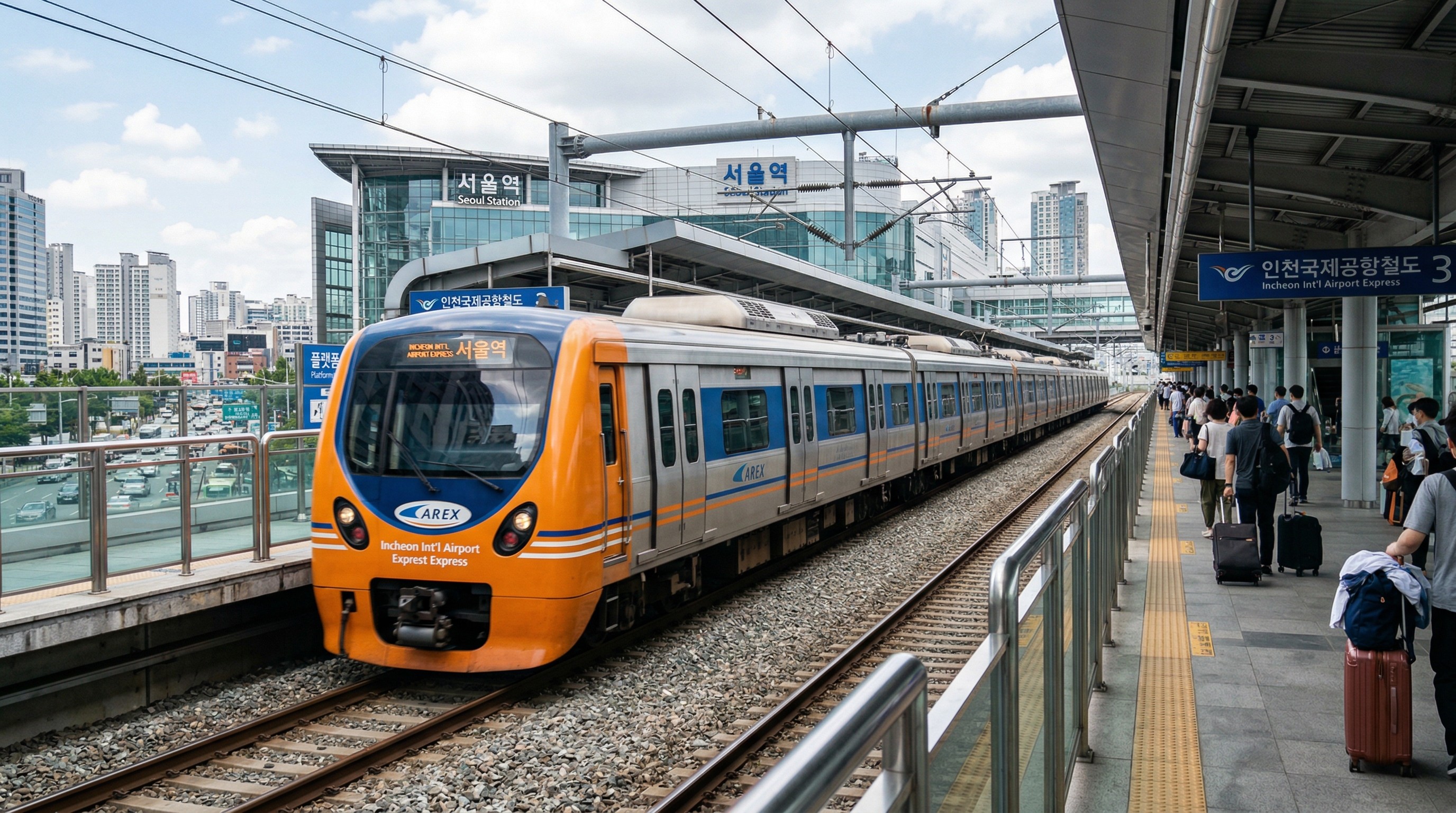
- KTX and SRT: usually in the tens-of-thousands-of-won range, which is not cheap, but often still feels reasonable compared with high-speed rail in parts of Europe.
That is the key traveler impression: local transit feels cheap, taxis feel manageable, and high-speed rail feels expensive but not punishing.
KTX and SRT: expensive compared with buses, cheap-looking compared with Europe
Then there is high-speed rail.
KTX and SRT are not “cheap” in the same way city buses or subways are cheap. A high-speed train ticket in Korea is still a meaningful fare, especially for domestic travelers doing it often. But from an international perspective—especially a European one—they can look strikingly reasonable for the speed and distance involved.
That comparison matters because Korea’s high-speed rail often gives passengers a sense of value that is harder to find in many other wealthy countries. You are not paying pocket change, obviously. But the fare often still feels like a public mobility price rather than a punishment for wanting to arrive quickly.
This difference becomes more obvious when travelers compare:
- Travel time saved
- Distance covered
- Booking complexity
- How extreme the fare becomes at ordinary times
In that comparison, Korea often looks generous. Or at least less hostile.

So why is it cheaper? Efficiency is only part of the answer.
It would be nice to say Korean transport is cheap simply because the system is brilliantly managed. That would be tidy. It would also be incomplete.
Yes, South Korea benefits from high density, strong urban demand, and transport patterns that make mass transit more viable than in many sprawling countries. Those things matter. A crowded, well-used system is easier to justify and easier to run than an underused one.
But that is not the whole story. The deeper reason fares stay relatively low is that public support is doing a lot of the work.
Governments support transport systems directly and indirectly because affordable mobility is treated as socially necessary. That can mean subsidy, financial support, policy intervention, and structures that tolerate losses or weak profitability in exchange for broader public access.
Which leads to the uncomfortable part.
Low fares often mean structural deficits
Affordable public transport sounds great. It usually is. But it often comes with a financial tradeoff: the system may not be covering its full costs through fares alone.
In plain English, that means some transport operations run in deficit structures. They need support because what riders pay is not enough to fully sustain what the network costs.
This is not unique to Korea, but Korea makes it especially visible because the public expects both quality and affordability. That combination is hard to fund cleanly forever.
Once fares stay politically constrained, the math has to be resolved somewhere else:
- Government budgets
- Municipal support
- Cross-subsidy structures
- Delayed investment or financial strain
So yes, a ride may feel cheap to the passenger. That does not mean it is cheap to provide.
Why this matters beyond transport nerd arguments
This is not only an accounting problem. It shapes how a country works.
Affordable transport supports commuting, education access, labor mobility, and urban life. It helps keep cities connected. It reduces the daily penalty for not owning a car. In a dense country like South Korea, that is a serious public good.
At the same time, if fares remain low while operating pressure rises, somebody eventually has to face the bill. That can show up as political fights over fare hikes, service quality concerns, labor pressure, or long-term sustainability problems.
The tension is obvious: people want low fares and good service. Systems want money. Governments want social stability without endless losses. On paper, everyone agrees. In practice, it is chaos with better signage.
The practical takeaway for international readers
If you are traveling in South Korea, the practical conclusion is simple: public transport is often very good value. Seoul’s buses and subways are especially affordable by advanced-city standards, and even KTX or SRT can feel relatively reasonable given the convenience and speed.
But if you are trying to understand why, do not stop at “Korea is efficient.” That is only part of it. The bigger answer is that Korea has chosen, to a significant extent, to keep public transport broadly accessible even when that creates financial strain behind the scenes.
That decision says something important about the country. In South Korea, transport is not treated only as a business. It is treated as infrastructure that ordinary life depends on. The real question is how long the system can keep balancing affordability, quality, and deficits without eventually forcing a harder reckoning.
Image Credits: Photo by Huy Phan on Pexels · Photo by Nuhyil Ahammed on Pexels

Leave a Reply