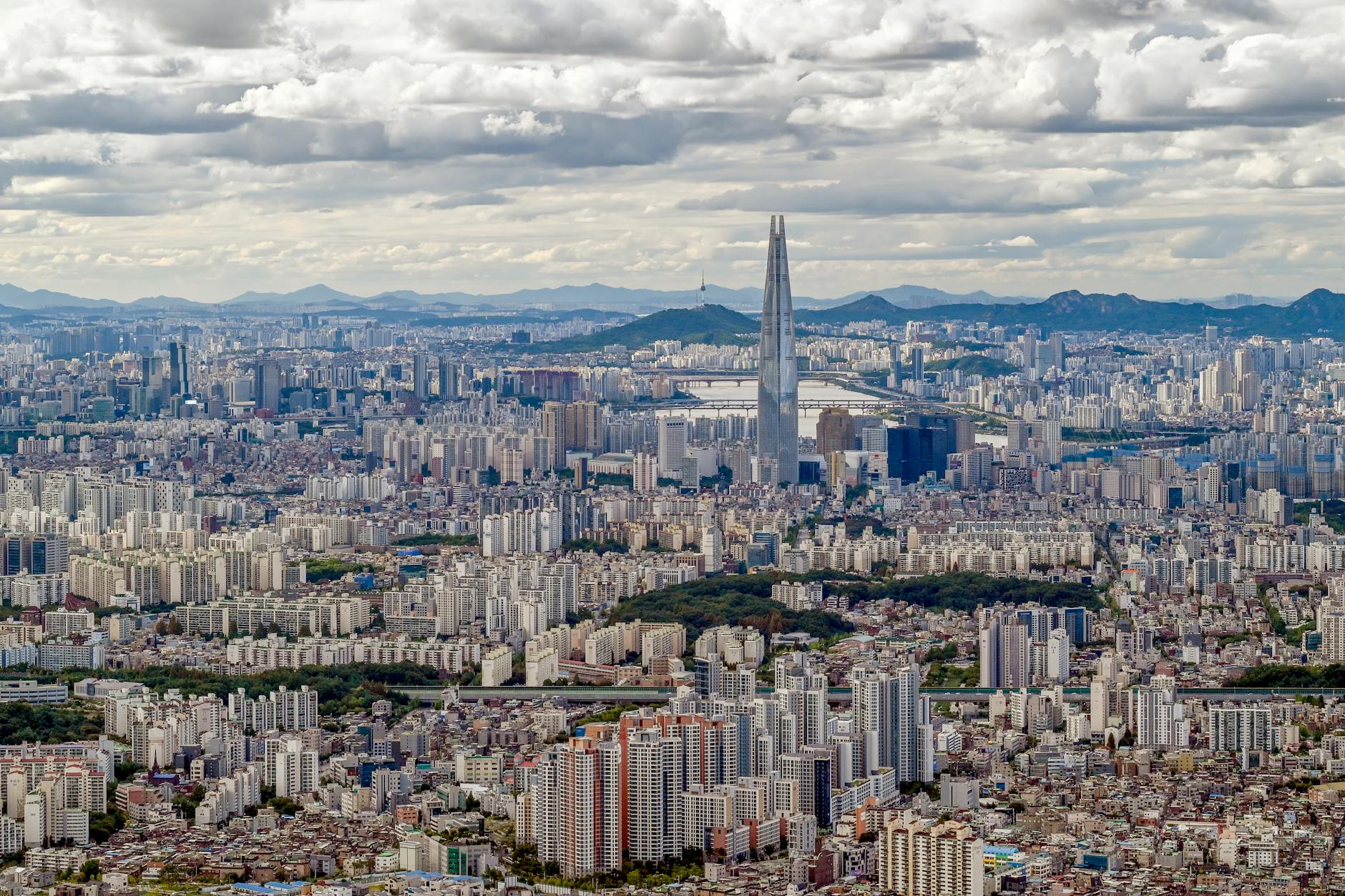
Ask a young couple in South Korea what kind of future they want, and sooner or later the conversation hits a wall. In many cases, that wall is made of concrete, mortgage debt, and a Seoul address they probably cannot afford.
This is not just a story about expensive apartments. It is a story about what happens when housing becomes the central sorting machine of adult life.
In and around Seoul, buying a home can feel less like a milestone and more like a test of whether your family background, income, and borrowing power are strong enough to let you participate in ordinary adulthood. For newlyweds and would-be newlyweds, that pressure is especially intense.
The 1 billion won threshold is not just a number anymore
In South Korea’s housing conversation, 1 billion won has become more than a price point. It is a psychological line. Once people start talking about whether a newly married couple needs around that much to buy a decent place in or near Seoul, the problem stops sounding like a normal urban affordability issue and starts sounding like a structural barrier to adult life.
Of course, not every home in Seoul costs the same. There are cheaper districts, smaller units, older buildings, and different trade-offs in commute, school districts, and neighborhood reputation. But the broader feeling remains: if you want something stable, livable, and reasonably connected to the Seoul job market, the price can quickly move into territory that feels crushing to ordinary earners.
In Seoul, housing is not just where you live. It is the entrance exam for everything that comes after.
That is why the headline number matters. Even when the market softens in some areas, the emotional benchmark remains brutally high.
When Seoul gets too expensive, couples move outward
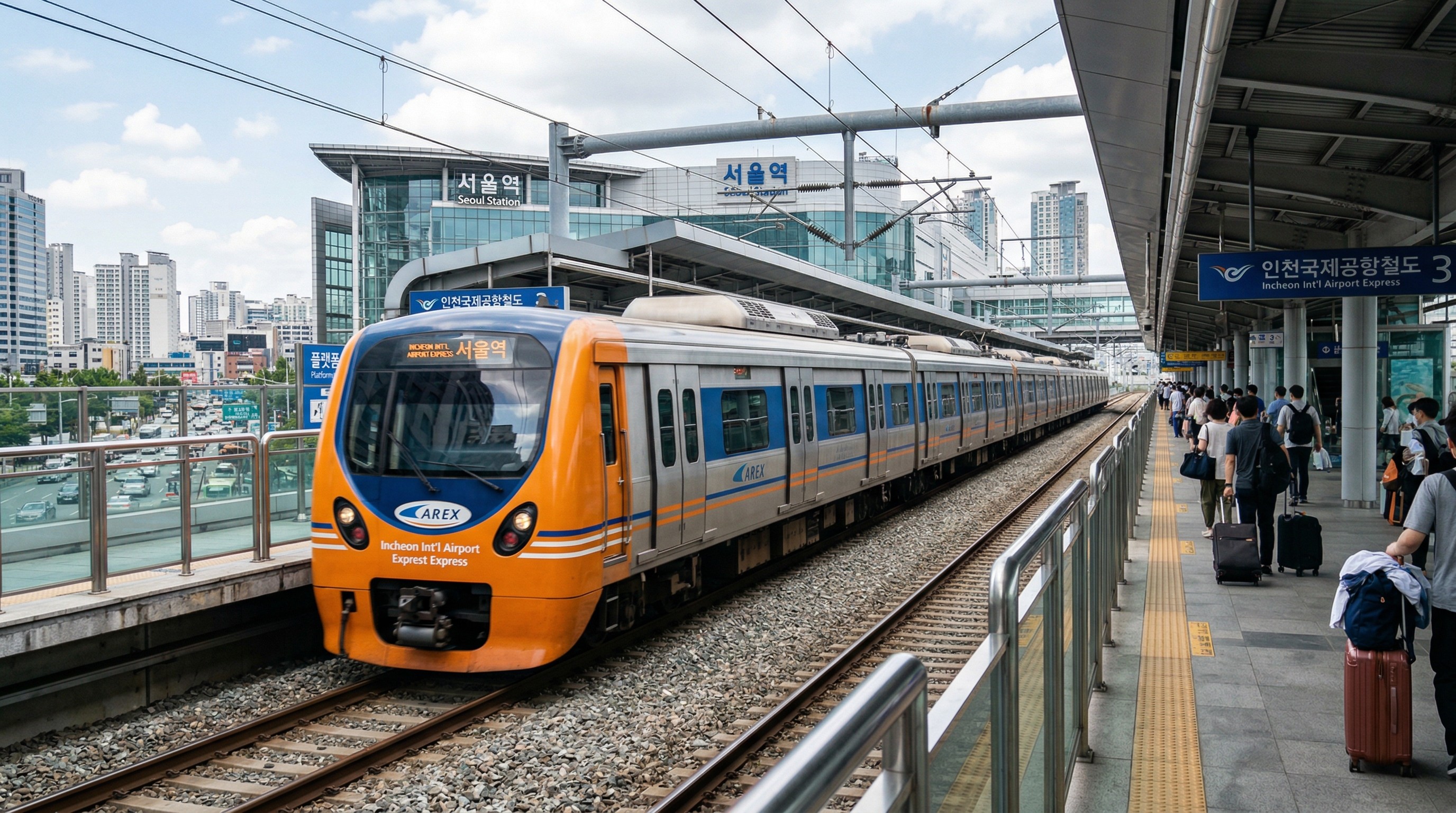
This is one of the most visible patterns in Korean housing life: if young households cannot realistically buy in Seoul, they move outward into Gyeonggi Province or other outer areas of the capital region.
On paper, this sounds reasonable. Seoul is expensive, so people look for more space or better pricing outside the city. In practice, it often means compromise layered on compromise:
- Longer commutes
- More transport costs and time loss
- Distance from social networks
- Less access to central-city job clusters
- A sense of being pushed out, not moving up
This outward movement is one of the defining realities of the Seoul metropolitan area. The capital still dominates jobs, prestige, education, and opportunity. But the cost of actually living near that concentration has become punishing enough that many households are effectively told: participate from farther away.
And when enough people are pushed into the outer ring, even those supposedly more affordable zones begin to carry their own stress.
The market can fall, and still feel unaffordable
This is where outsiders often get confused. They see reports of price declines in parts of Gyeonggi or new-town apartment markets and assume the crisis must be easing. Not exactly.
Yes, housing prices do move. The background information points to falling prices in some Gyeonggi areas and to sharp corrections in certain apartment markets. That matters. But falling from an absurd level to a merely punishing level is not the same as becoming affordable.
You would expect lower prices to create relief. The reality is messier. If households are already overleveraged, nervous about rates, or unsure about long-term income, even a market correction does not magically turn housing into an easy decision. It can actually make people more anxious: what if they buy too early, borrow too much, and watch values fall further?
So yes, the market can cool. The emotional violence of the housing system can remain.
The age of “yeongkkeul” borrowing changed the tone
Few modern Korean words explain the housing mood better than yeongkkeul—short for the idea of scraping together everything possible, essentially borrowing and stretching yourself to the absolute limit.
It became famous because it captured a widespread feeling: if you did not buy now, you might be locked out forever. So people took every loan they could manage, combined savings, leaned on parents, and built financing structures that were less comfortable strategy than financial self-launch.
That is what happens in a market shaped by the belief that property is basically unbeatable.
And that belief matters. The phrase often translated loosely as “real estate never loses” has had enormous social force in Korea. Even when markets wobble, the long cultural memory of property as the surest route to stability remains powerful. That conviction pushes people to overborrow, overcommit, and accept financial strain that would look irrational in a less property-obsessed society.
Except in Korea, it does not feel irrational. It feels defensive.

Why housing pressure now affects marriage itself
At a certain point, expensive housing stops being a housing issue and starts becoming a marriage issue.
In South Korea, marriage has long been tied to the idea of establishing a stable household. That usually means a real place to live, not just romantic intention. If the cost of creating that household rises too far, marriage timing changes. Some couples delay. Some scale down expectations. Some rely heavily on parental help. Some give up entirely.
This is not because people suddenly stopped valuing relationships. It is because the price of turning a relationship into a socially legible adult life has become extremely high.
- No stable home can mean delayed marriage
- Heavy debt can mean fear of starting a family
- Moving far outward can mean lower quality of life and more stress
- Reliance on parents can deepen inequality between families
Once housing begins filtering who can marry comfortably and who cannot, the consequences stop being private.
And yes, this connects to South Korea’s birth-rate crisis
There is no single reason South Korea’s birth rate is so low. Anyone claiming one cause is selling simplicity where none exists. But housing is clearly part of the problem.
If young adults feel they cannot afford a decent home, cannot manage debt safely, and cannot imagine raising children without permanent financial pressure, then lower marriage rates and lower birth rates are not surprising. They are logical.
Housing does not act alone. It interacts with work culture, childcare costs, education pressure, gender inequality, and long-term insecurity. But it is one of the big structural obstacles because it turns family formation into an extremely expensive project before the child-related costs even begin.
That is why the issue feels so heavy in Korea. The housing market is not just pricing apartments. It is pricing life stages.
Is Seoul expensive by global standards? Broadly, yes
By international big-city standards, Seoul and its surrounding housing market are widely understood as expensive relative to local incomes, especially for younger households trying to buy rather than rent indefinitely. The exact ranking depends on the metric—price-to-income ratios, apartment prices, rent burdens, or broader urban affordability comparisons—but the broader conclusion is not controversial: housing in and around Seoul is expensive enough to distort life decisions.
And that last part matters more than league-table bragging rights. A city does not have to be the single most expensive in the world to become socially destabilizing. It only has to become expensive enough that normal adult plans start looking financially reckless.
The bigger problem is not just price. It is faith.
The most stubborn part of Seoul’s housing problem may be cultural as much as financial. Too many people still believe that property is the one safe ladder, the one asset class that ultimately wins, the one thing worth enduring almost any pain to secure.
That belief has logic behind it. In a country where education, employment, and class mobility feel brutally competitive, real estate becomes more than shelter. It becomes a defense system.
But once everyone treats housing as both a home and a survival asset, prices stop reflecting ordinary life. They start reflecting collective fear.
And that is where Seoul’s housing problem becomes so hard to solve. It is not only about supply, loans, suburbs, or regulation. It is about a society that has loaded far too much hope, status, and anxiety onto a front door. Until that changes, young couples will keep doing the math, looking farther out, borrowing harder than they want to, and wondering whether adulthood in Korea is supposed to feel this expensive from the very beginning.
Image Credits: Photo by Theodore Nguyen on Pexels · Photo by Jaythen Bag-ayan on Pexels


Leave a Reply