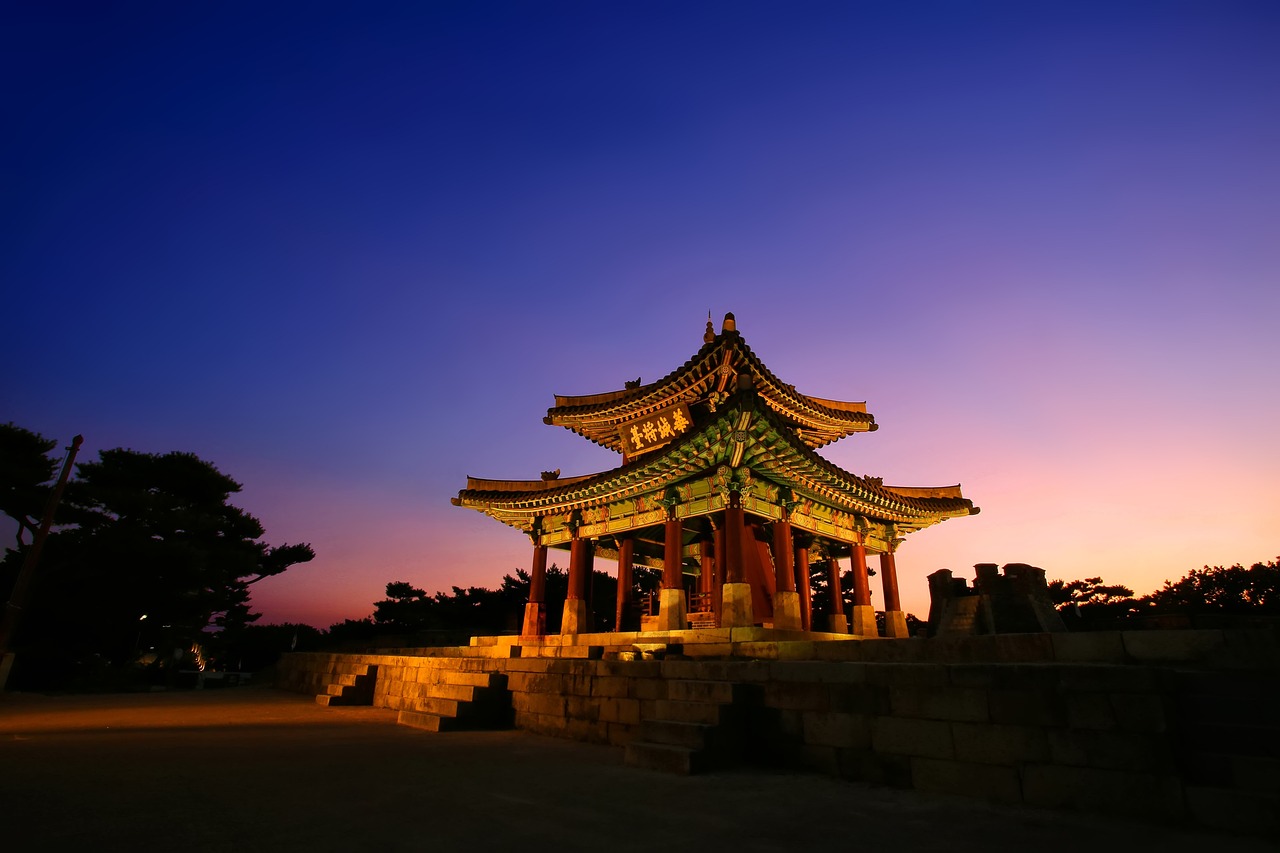
Suwon is one of the clearest examples of how modern South Korea works outside central Seoul. It sits close to the capital, carries major historical weight through Suwon Hwaseong, and functions at the same time as a large residential, commercial, and industrial city. For international readers, that mix is the key to understanding it.
Where Suwon is and why it matters
Suwon is a major city in Gyeonggi-do, the province that surrounds Seoul. That location matters more than any slogan. Suwon is not a distant regional city and not a suburb in the narrow sense either. It is part of the wider Sudogwon, the Seoul Capital Area, where much of South Korea’s population, business activity, transport infrastructure, and daily commuting life are concentrated.
Suwon matters because it shows what a powerful satellite city looks like in Korea. It has its own history, identity, and landmarks, but it also operates in constant connection with Seoul. People live in Suwon and work elsewhere. Others work in Suwon’s industrial and corporate zones while staying plugged into the wider capital-region economy. That is a common Korean urban pattern, and Suwon is one of the most visible examples.
For visitors, this means Suwon is easy to reach and easy to misunderstand. It is close enough to Seoul to be treated as a day trip, but large and layered enough that reducing it to “a place with a famous fortress” misses the point.
How Suwon relates to Seoul
The simplest way to think about Suwon is this: it is close to Seoul, but it is not trying to be Seoul.
That distinction is useful. Seoul dominates politics, finance, media, tourism branding, and global recognition. Cities around it often get flattened into commuter geography. Suwon does not deserve that treatment. It has a much stronger standalone profile than the average city in the capital region because it combines administrative importance, cultural heritage, and major industry in one place.
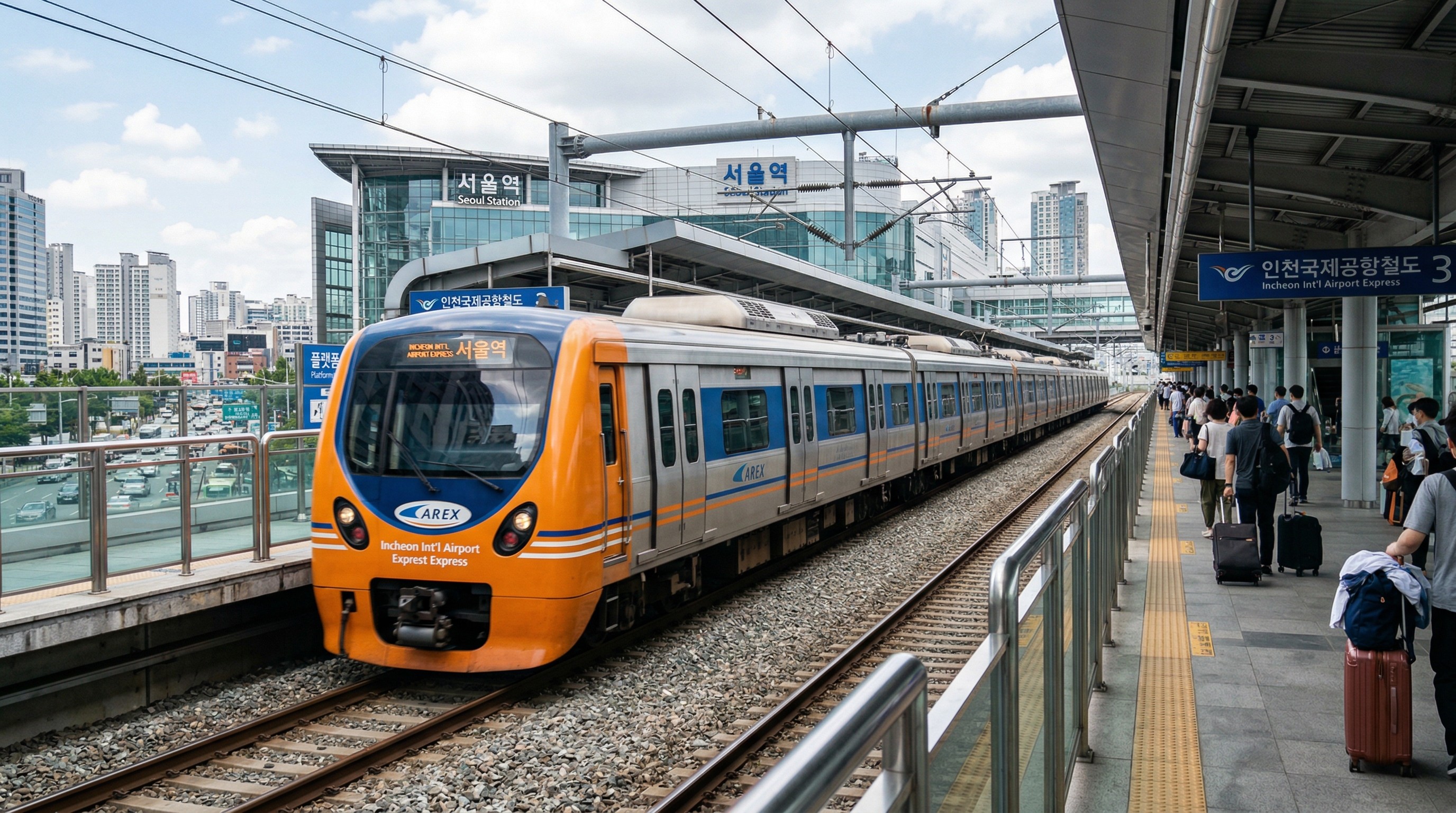
In practical terms, Suwon belongs to the same metropolitan rhythm as Seoul. Fast rail and road links make movement between the two routine. In cultural terms, though, Suwon feels less compressed and more legible. The city is large, but visitors can grasp its identity faster because its signature elements are unusually clear.
| Category | Suwon in context |
|---|---|
| Province | Gyeonggi-do |
| Metropolitan role | Major city in the Seoul Capital Area |
| Relationship to Seoul | Closely connected by transport and economy, but with its own historical and urban identity |
| Why foreigners notice it | UNESCO fortress heritage, old-city atmosphere, food districts, and Samsung’s industrial presence |
That last point is why Suwon is so useful for understanding Korea. It is neither purely traditional nor purely high-tech. It gives you both in one frame.

What people usually mean when they say “Suwon”
For most visitors, four things define the city immediately: Suwon Hwaseong, Haenggung-dong, fried chicken streets, and Samsung Electronics.
Suwon Hwaseong
Suwon Hwaseong is the city’s signature landmark and the fastest way to understand Suwon’s historical importance. It is a walled fortress associated with late Joseon-era royal ambition, urban planning, and military design. The fact that it is recognized as a world heritage site gives Suwon international visibility, but the site matters even without the label. It defines the city’s visual identity.
Unlike historic sites that sit awkwardly outside modern urban life, Suwon Hwaseong is woven into the city itself. Walls, gates, viewpoints, and walking routes remain part of how people experience Suwon, not just something separated off for tourists.
Haenggung-dong
Haenggung-dong is one of the areas that international visitors tend to remember most clearly. It sits near the old fortress zone and blends low-rise streets, cafes, small shops, renovated buildings, and a more relaxed walking atmosphere than central Seoul. If Seoul often feels vertical and relentless, Haenggung-dong feels human-scaled.
That does not make it frozen in time. It is better understood as a contemporary neighborhood shaped by historical surroundings. This is where Suwon’s old-and-new character becomes easiest to see.
Chicken streets
Suwon is also strongly associated with fried chicken, especially the city’s well-known chicken street culture. This may sound trivial next to royal walls and industrial complexes, but it is not. In Korea, local food identity is part of city identity. A place becomes legible through what people travel there to eat, not just what they photograph.
Suwon’s chicken reputation gives the city something many historic destinations lack: a casual, everyday draw. You do not need to be a history enthusiast to enjoy Suwon properly.
Samsung Electronics
Then there is Samsung Electronics. This is the modern side of Suwon, and it is impossible to ignore. Samsung’s presence ties the city to South Korea’s export economy, corporate culture, high-tech manufacturing image, and postwar industrial rise. If Suwon Hwaseong explains the city’s historical symbolism, Samsung helps explain its contemporary economic weight.
- Suwon Hwaseong: the city’s best-known historical landmark
- Haenggung-dong: the most approachable district for walking, cafes, and atmosphere
- Chicken streets: a local food identity that ordinary visitors actually experience
- Samsung Electronics: the clearest symbol of Suwon as a modern industrial city
Why Suwon feels different from many Korean cities
Many Korean cities are known either for old heritage or for modern business. Suwon is easier to remember because the contrast is so tight. The city combines royal-era symbolism with contemporary metropolitan life in a way that feels unusually visible rather than abstract.
That creates a different urban reading experience. In some cities, history survives as a museum layer. In Suwon, history still shapes the city’s image. In some industrial cities, modern development overwhelms everything else. In Suwon, the industrial and historical stories sit side by side.
This is also why Suwon helps international readers understand a broader Korean pattern. South Korea did not modernize by discarding all older urban meaning and starting from zero. In cities like Suwon, older spatial identity and newer economic identity coexist, even if the tension between them is obvious.
Suwon makes sense once you stop trying to choose between fortress city and industrial city. It is both, and that is exactly why it matters.
How travelers should think about Suwon
The best way to approach Suwon is not as a checklist city but as a compact lesson in how Korean urban identity works. Go there if you want one place that brings together royal history, neighborhood-scale walking, recognizable local food, and the metropolitan logic of greater Seoul.
For many foreign visitors, Suwon works best as either a strong day trip from Seoul or a slower one-night stop. The fortress and surrounding neighborhoods give enough visual and historical substance for a focused visit, while the food culture and evening atmosphere make it feel less like a museum excursion and more like a real city.
| What to focus on | Why it matters |
|---|---|
| Suwon Hwaseong | Best entry point for the city’s history and layout |
| Haenggung-dong | Shows the city’s walkable, contemporary, low-rise side |
| Local chicken spots | Adds everyday culture, not just monument tourism |
| The wider cityscape | Reveals Suwon as part of the Seoul metropolitan machine |
If Seoul can feel overwhelming or overly familiar from travel content, Suwon offers a cleaner view of Korea’s mix of monarchy-era legacy, urban redevelopment, food culture, and industrial power. That is why it is worth taking seriously. Not as a side note to Seoul, but as one of the best cities for understanding the country in miniature.
Image Credits: Photo by Renan Braz on Pexels · Photo by Theodore Nguyen on Pexels

Leave a Reply